Scallop Season 101: What First-Timers Should Know
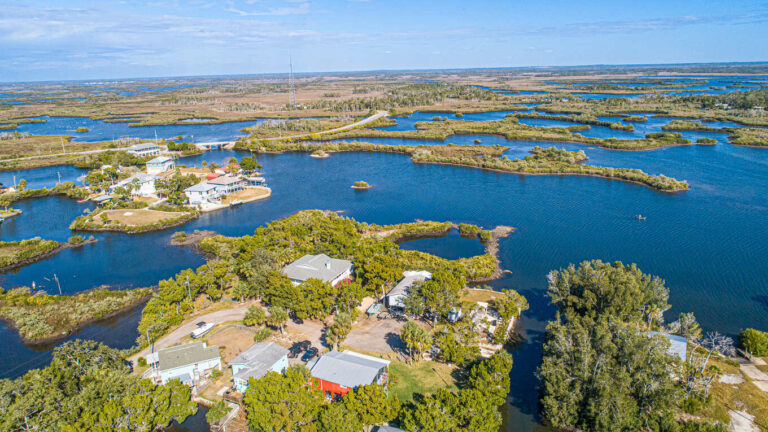
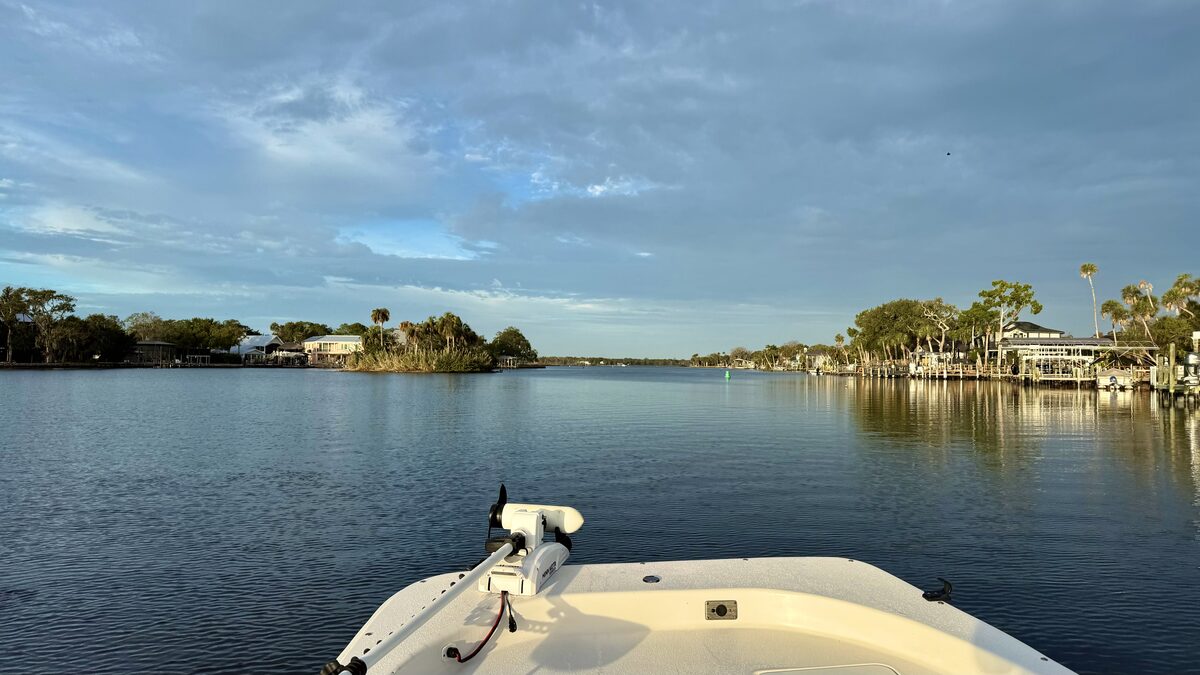
There’s a particular kind of summer morning on the Nature Coast when the water goes glassy, the grass flats glow green just below the surface, and half the boats in Homosassa are pointed toward the same thing: bay scallops. If you’ve never gone, don’t let the crowd intimidate you. Scalloping is one of the most beginner-friendly things you can do out here, and it runs on the same easy, unhurried rhythm as everything else on the river.
At its heart, scalloping is just snorkeling with a purpose. You anchor over a shallow grass flat in a few feet of clear water, slip in with a mask and fins, and hunt for bay scallops tucked into the seagrass. They’re small, fan-shaped, and surprisingly good at hiding—look for the little row of bright blue eyes along the shell, or a scallop that jets away in a puff of sand when your shadow passes. You scoop them into a mesh bag and keep going. It’s more Easter-egg hunt than fishing trip, which is exactly why kids and first-timers tend to love it.
Season and Licenses
Bay scallop season on this stretch of coast generally runs sometime in the July–September window, but the exact opening and closing dates and the bag limits change, and they’re set by the state. Before you plan a trip, check the FWC (Florida Fish and Wildlife Conservation Commission) for this year’s exact dates and bag limits. In general you’ll also need a Florida saltwater fishing license to harvest scallops, so verify the current rules and make sure everyone aboard is covered before you head out.
Gear and Getting Out There
The gear list is short and forgiving: a mask, snorkel, and fins; a mesh bag for your catch; a cooler with ice to keep them cold on the way home; and a dive flag, which is not optional. That flag tells every other boat that people are in the water. Fly it high, stay reasonably close to it, and give a wide, slow berth to any flag you pass.
You can reach the flats by your own boat, launching from the Homosassa area, or—if you don’t have a boat or don’t know the water—by booking a local guide or charter. A guide takes the guesswork out of tides, running lanes, and finding the productive grass, which for a first trip is money well spent.
A word on etiquette, because it’s what keeps this good year after year: don’t overharvest, even when they’re thick. Take what you’ll actually eat, stay within the limits, and treat the grass beds gently—they’re the nursery the whole fishery depends on. Respect the space around other boats. Do it right, and you’ll come back sunburned, happy, and already planning next summer.